


In any industrial environment, machinery is the backbone of productivity. These systems operate for long hours, often under high load, producing heat, dust, fumes, and other byproducts that can affect performance. This is where industrial ventilation plays a crucial role. By ensuring a steady flow of clean air throughout the facility, ventilation systems help regulate temperature, reduce contaminants, and create long-term stability for sensitive equipment. Without proper airflow, machinery is more likely to overheat, corrode, or fail prematurely, leading to costly repairs and operational downtime.
Preventing Heat Accumulation and Overheating
One of the biggest threats to machinery efficiency is excess heat. Industrial machines, especially those involved in manufacturing or heavy processing, generate significant heat during regular operation. If this heat builds up, components can warp, lubrication can break down, and motors may become strained. Proper ventilation helps dissipate this heat and maintain stable temperatures around equipment. When warm air is continuously replaced with cooler, fresh air, machines operate within safe temperature limits, improving both performance and lifespan. Effective ventilation also reduces the workload on internal cooling mechanisms, which further decreases energy consumption and long-term wear.
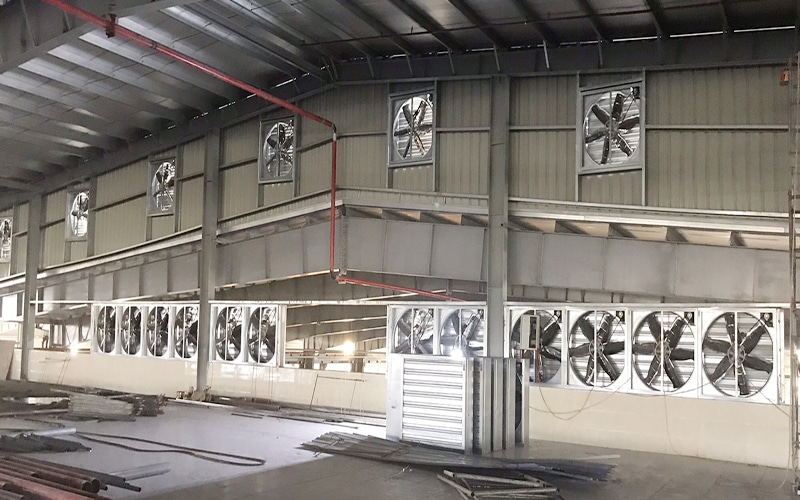
Reducing Dust and Particulate Buildup
Dust, debris, and particulate matter are common challenges in factories, workshops, and warehouses. Over time, these particles can settle into machinery components, clog vents, damage internal circuits, or lead to corrosion. High-quality industrial ventilation systems remove airborne contaminants before they reach equipment surfaces. By filtering and circulating air, ventilation reduces the presence of particles that could otherwise cause friction, block moving parts, or introduce moisture. This creates a cleaner operating environment and ensures that machines remain in optimal condition for longer.
Controlling Moisture and Preventing Corrosion
Moisture is another silent enemy of industrial machinery. Excess humidity can lead to rust, fluid deterioration, and electrical malfunction. Condensation may form inside equipment cabinets, affecting sensors, wiring, and metal components. Proper ventilation helps regulate humidity levels, keeping the environment dry and balanced. This prevents the formation of corrosive conditions that shorten equipment lifespan. In industries like food processing, chemical manufacturing, or marine operations, where moisture is unavoidable, well-designed ventilation is essential to maintaining safe and dependable equipment.
Improving Airflow for Energy Efficiency
Poor airflow forces machinery to work harder than necessary. Motors may run hotter, fans may spin faster, and compressors may cycle more frequently, all of which lead to higher energy consumption and faster component degradation. A well-ventilated workspace ensures that machines operate efficiently without excess strain. This not only extends lifespan but also reduces electricity costs. Companies that invest in reliable ventilation systems often see lower energy bills and fewer breakdowns, making it a cost-effective strategy for long-term equipment care.
Enhancing Safety and Reducing Operational Downtime
Proper ventilation does more than protect machines; it supports a safer work environment. When fumes, heat, and contaminants are not controlled, both equipment and employees face higher risks. Machines exposed to poor air quality may fail suddenly, which can cause accidents or production interruptions. By maintaining clean and cool air circulation, ventilation improves operational reliability. Facilities experience fewer emergency shutdowns and lower maintenance costs, allowing teams to focus on productivity instead of constant repairs.

Supporting Preventive Maintenance Strategies
A well-designed ventilation system becomes a critical part of a facility’s preventive maintenance plan. When airflow, temperature, and humidity remain stable, equipment inspections become more predictable and easier to manage. Technicians can identify issues early, perform routine servicing on schedule, and avoid unexpected failures. Proper ventilation also helps maintain warranty compliance for many types of machinery, as manufacturers often require equipment to operate within specific environmental conditions.
Final Thoughts
Proper ventilation is not just a comfort feature; it is a foundational factor in machinery protection and long-term performance. From heat control to dust reduction and moisture management, industrial ventilation significantly extends the lifespan of valuable equipment. By investing in a reliable system, companies can secure stronger productivity, lower maintenance costs, and a safer working environment for years to come.
