Human behavior is shaped by more than written laws, workplace policies, or formal instructions. Much of everyday life runs on invisible rules that people rarely discuss but somehow learn to recognize. These unwritten expectations influence where we stand, when we speak, what we consider polite, and even how we behave online.
Nobody hands us a manual explaining every social situation. Instead, we observe others, notice reactions, and gradually adjust our behavior. From waiting in a line to navigating a crowded sidewalk, these quiet rules help strangers coexist without constantly negotiating every interaction.
Respecting Personal Space
Personal space is one of the clearest examples of an invisible rule. People generally maintain a comfortable distance from strangers when enough room is available. Standing unnecessarily close to someone in an almost empty elevator or waiting area can immediately feel unusual.
Interestingly, the acceptable amount of space changes according to context. Crowded public transportation makes physical closeness unavoidable, while the same proximity in an empty room might seem uncomfortable. People make these adjustments automatically without discussing them.
Similar expectations exist online. Someone searching for public information may use phrases such as Visit Bhulekh Uk while looking for land related resources, but accessing publicly available information does not eliminate broader expectations surrounding privacy and responsible use. Digital convenience has created its own set of unwritten boundaries.
Waiting for Your Turn
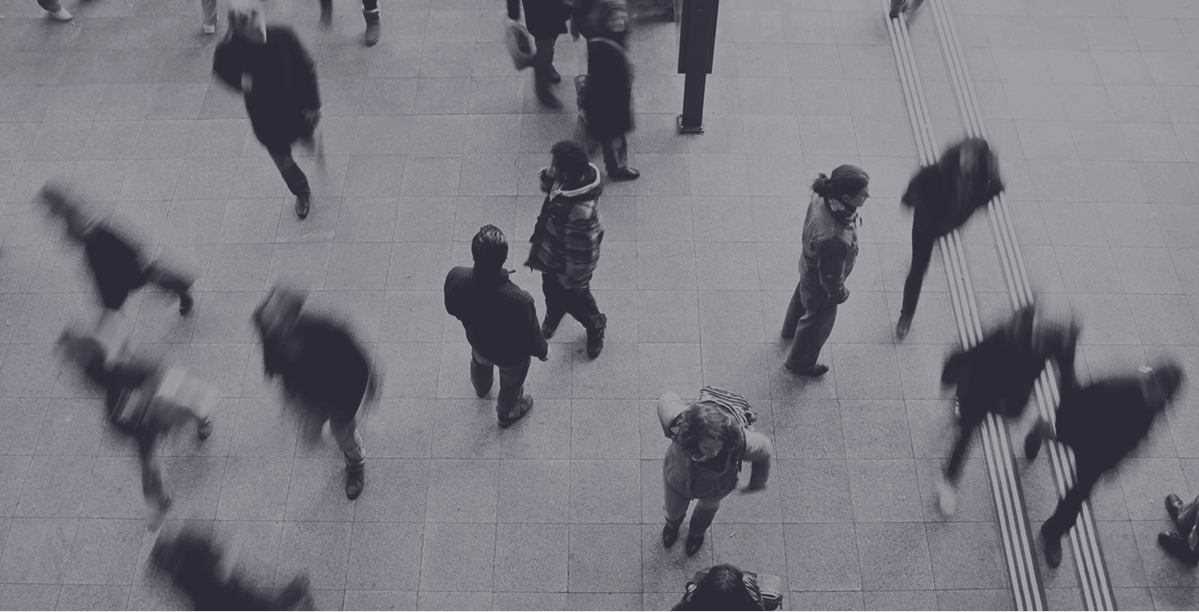
Queues are remarkably organized considering that strangers often create them without formal instructions. At stores, ticket counters, elevators, and food stalls, people generally understand that whoever arrived first should receive service first.
Breaking this invisible agreement can create immediate tension. Someone cutting into a queue may not have violated a major written law, yet everyone nearby recognizes that an accepted social rule has been ignored.
The same principle appears when people search for public services. A worker typing bandhkam kamgar office near me may be trying to locate assistance or information. Once inside an office, however, that person is usually expected to wait, follow the established process, and respect others who arrived earlier.
Matching Behavior to the Environment
People constantly adjust their volume and behavior depending on where they are. Talking loudly at a sporting event may be completely acceptable, while using the same volume in a library would attract uncomfortable attention.
These changes happen because people observe environmental signals. Lighting, furniture, other people’s behavior, and the purpose of a place all provide clues about what is considered appropriate.
Digital environments have similar expectations. Someone using a phrase such as Visit Bhulekh Uttarakhand is likely looking for specific online information and expects a clear path toward relevant resources. Users generally expect websites and digital services to make important information understandable without unnecessary confusion.
Giving Others Temporary Ownership of Space
People frequently treat public spaces as temporarily belonging to whoever is using them. A jacket placed over a chair can indicate that someone intends to return. A shopping cart beside a supermarket shelf suggests that another shopper is nearby.
These signals have no universal legal meaning, yet most people recognize them. Problems occur when different people interpret the same signal differently.
Even within households, invisible ownership exists. Family members may have preferred chairs, shelves, coffee mugs, or places at the dining table without officially claiming them. Over time, repetition transforms a simple habit into an unwritten household arrangement.

Expecting Technology to Reduce Effort
Technology has created another invisible rule: people increasingly expect digital systems to simplify complicated processes. Filling out repetitive information, navigating confusing menus, or searching across numerous pages can feel frustrating because users now expect greater efficiency.
This expectation can be seen around public programs as well. A person researching Pm Surya Ghar Muft may expect information about eligibility, processes, and related details to be presented logically. Whether people are using banking applications, government portals, shopping platforms, or educational services, simplicity has quietly become a standard expectation.
People also expect consistency. Buttons should behave predictably, instructions should be understandable, and important information should be easy to locate.
Knowing When Not to Interrupt
Conversation has its own complicated collection of invisible rules. People usually wait for a natural pause before speaking, although the acceptable amount of interruption varies between cultures, relationships, and situations.
Body language provides additional guidance. Eye contact can signal interest, while someone repeatedly looking toward a door or phone may indicate that they need to leave. These cues allow conversations to function without participants explicitly announcing every intention.
Digital communication has added another layer. People understand that an unanswered message does not always require an immediate follow up. Similarly, someone searching for pmmvy nic login 2.0 expects a digital system to respond instantly, while communication with another person requires more patience.
Leaving Things Usable for the Next Person
Shared spaces depend heavily on consideration for whoever arrives next. People return shopping carts, clear shared tables, avoid blocking entrances, and leave common facilities reasonably usable. Not everyone follows these practices, but their existence becomes especially noticeable when someone ignores them.
This principle extends from offices and apartment buildings to parks and transportation systems. Small acts of consideration reduce friction among people who may never interact directly.
Invisible Rules Keep Everyday Life Moving
Unwritten rules are powerful precisely because they rarely need explanation. They develop through observation, repetition, cultural expectations, and shared experience. Some change as society and technology evolve, while others remain remarkably consistent.
Every queue respected, conversation timed carefully, shared space maintained, and personal boundary acknowledged contributes to social cooperation. Individually, these behaviors may appear insignificant. Together, they create an invisible structure that allows millions of everyday interactions to happen with surprisingly little discussion.