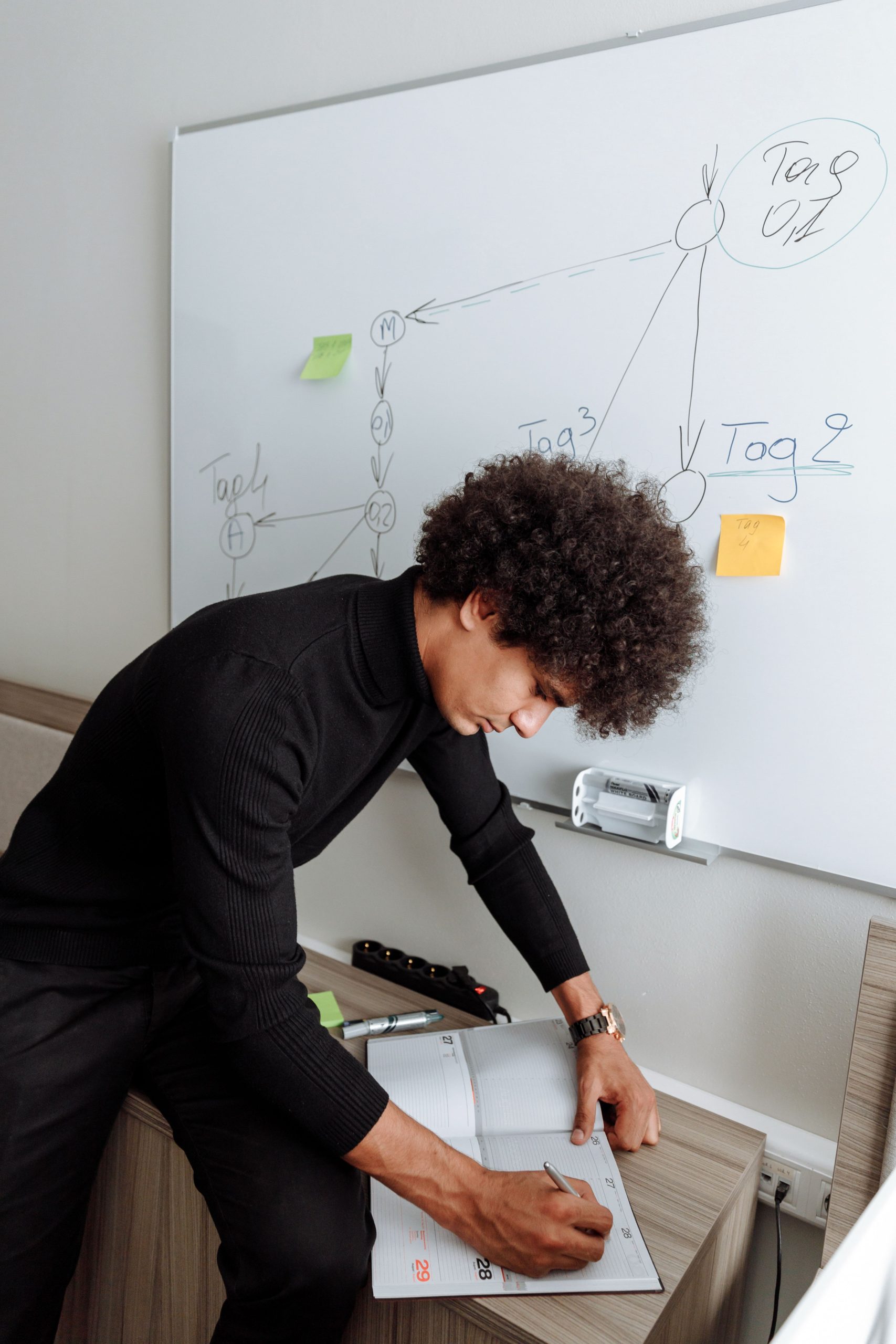
Change is one of the few constants in life. New technologies, shifting industries, evolving customer expectations, and changing personal circumstances all require people to adjust. Those who embrace change instead of resisting it often discover new opportunities that others overlook. Adaptability is no longer simply a useful quality. It has become a lifelong competitive advantage that supports personal growth, career success, and long term resilience.
Rather than depending on a single skill or routine, adaptable individuals continue learning, improving, and finding better ways to achieve their goals. this mindset allows them to remain valuable regardless of how quickly the world changes.
Learning Never Stops
Adaptable people understand that education continues long after formal schooling ends. Every project, challenge, and conversation presents a chance to gain new knowledge and improve existing abilities.
Many professionals stay informed by following education news Australia because it helps them understand changing learning methods, emerging qualifications, and workplace expectations. Continuous learning allows individuals to remain confident when industries evolve and new opportunities appear.
Turning Challenges Into Opportunities
Unexpected situations often create stress, but adaptable people approach them differently. Instead of focusing on obstacles, they search for practical solutions and new possibilities.
Whether facing career changes, business disruptions, or personal setbacks, flexibility allows people to recover more quickly. Every challenge becomes an opportunity to develop stronger problem solving skills, increase confidence, and build experience that proves valuable in the future.
This ability to adjust creates a lasting advantage because experience gained through change cannot easily be replaced.
Adaptability Builds Stronger Professional Value
Employers increasingly value employees who can learn quickly, collaborate with different teams, and adjust to changing priorities. Technical expertise remains important, but flexibility often determines who continues growing within an organization.
Businesses also recognize this quality when building successful teams. Many top rated businesses Australia encourage continuous improvement, innovation, and open communication because adaptable employees help organizations respond effectively to changing markets. Research consistently suggests that organizations capable of learning and adapting respond better to uncertainty and changing competitive environments.
Staying Informed Creates Better Decisions
Adaptability depends on awareness. People who stay informed can recognize changing trends before they become major disruptions.
Reading reliable information from different industries broadens perspective and improves decision making. Someone following Victoria news today may gain insights into economic developments, technology investments, education initiatives, or community changes that influence future opportunities.
Being informed does not mean reacting to every headline. Instead, it means understanding broader patterns and preparing thoughtfully for future changes.
Building Connections Through Community
Adaptability also grows through relationships. Every new interaction introduces different viewpoints, experiences, and ideas that expand understanding.
Participating in activities such as Sydney community events 2026 allows people to meet professionals, entrepreneurs, volunteers, and community leaders from different backgrounds. These connections often create unexpected opportunities for collaboration, learning, and career development.
Strong networks provide valuable support during periods of change because adaptable people rarely learn in isolation.
Maintaining Personal Wellbeing During Change
Constant adaptation requires both mental and physical resilience. Without proper wellbeing, even highly skilled individuals may struggle to perform consistently.
Practices associated with urban wellness Australia encourage healthy routines that improve focus, reduce stress, and support better decision making. Regular exercise, balanced nutrition, quality sleep, and mindfulness all contribute to clearer thinking during uncertain situations.
Adaptability is not about working harder every day. It is about maintaining enough energy and perspective to make thoughtful decisions when circumstances change.
Developing an Adaptable Mindset
Adaptability begins with simple daily habits. Asking questions, accepting constructive feedback, experimenting with new approaches, and remaining curious all strengthen flexibility over time.
Instead of fearing mistakes, adaptable individuals view them as valuable learning experiences. They understand that progress often comes through adjustment rather than perfection.
This mindset also encourages creativity because people become more willing to explore new ideas instead of remaining comfortable with familiar routines.
Conclusion
Adaptability creates an advantage that lasts throughout life because it supports continuous growth instead of temporary success. While specific skills may become outdated, the ability to learn, adjust, and improve remains valuable in every profession and every stage of life. Individuals who embrace change with curiosity, resilience, and a commitment to lifelong learning position themselves for lasting success regardless of how the world continues to evolve.